
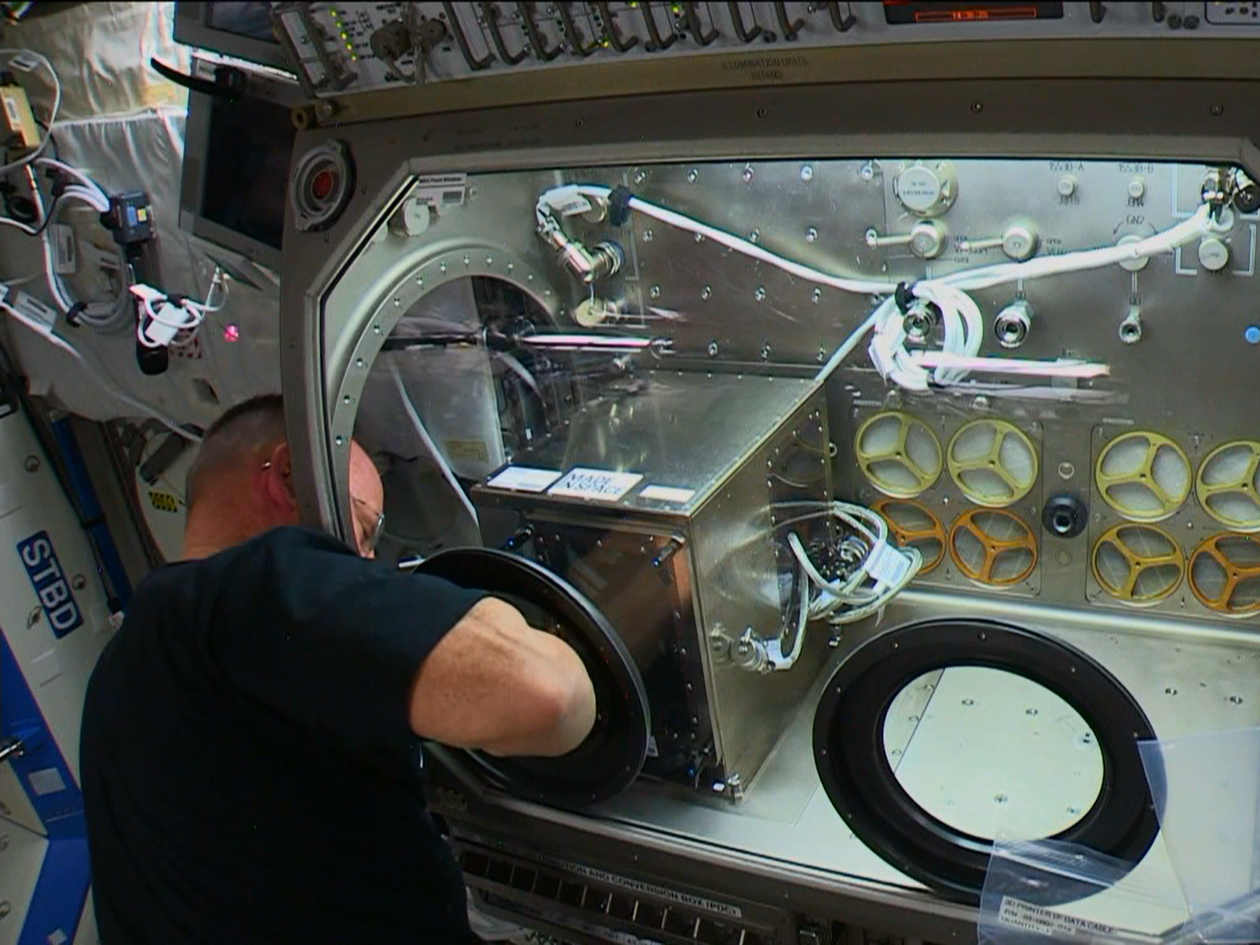
NASA has launched an experimental 3D printer into orbit, but what challenges lay ahead? We believe there could be significant challenges to overcome.
We’ve now seen the first 3D plastic prints made in space, and it’s expected NASA will continue testing in a methodical way, gradually increasing the complexity of 3D printing scenarios to eventually reach “operational” capability. At this point Astronauts would be able to print transmitted objects on demand.
That will indeed by useful, but what next? The question will be 3D printed metal objects, which has become an increasingly popular approach here on the Earth.
While very successful on the ground, we foresee serious obstacles in replicating the success of orbital plastic printing with metal gear. Here’s our concerns:
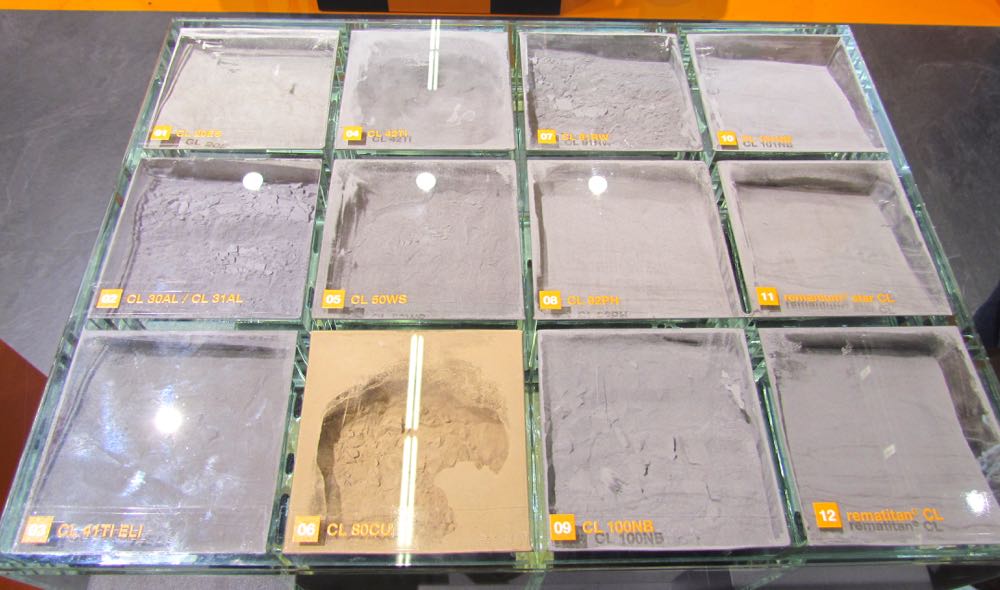
Contamination: Most metal 3D printing processes involve use of fine-grained metal powders. The finer, the better, to produce good surface finishes. But wait – would you want superfine metal powders floating around your weightless space station?
Such loose powder could affect delicate electronics, spoil onboard experiments, create friction on moving surfaces and more.
Toxicity: Worse, most powdered metals are toxic if inhaled, which is pretty likely if made loose in the enclosed atmosphere of a space station. Oh, it gets better: some metal powders are actually explosive. We haven’t tried this ourselves, but we were told titanium powder, for example, can flash if struck lightly. Not something you’d wish to be happening on your space station.
Heat: Metal 3D printing by definition involves melting metal somehow. The heat required for this process is far above normal operations within a human-rated space station. Having anything extremely hot within a station could be risky.
Power: Producing extreme heat requires electrical power. We haven’t done the calculations, but we’re wondering where the Amps are going to come from, given a space station’s tight energy budget. It’s possible, however, that an ingenious space-based 3D metal printer might collect and focus sunlight somehow to a use solar melting approach.
Gases: Metal 3D printers often require very specialized and highly controlled atmospheres within their build chambers. They might use nitrogen or argon gas, for example, at specific pressures and temperatures. We definitely wouldn’t want to contaminant the space station with stray gases, should leaks occur.
Weight: Ground-based metal 3D printers do handle all these things, but to do so, they include many heavy-duty components that weigh in some cases, tonnes. Hauling up so much weight to orbit could be significantly expensive.
There’s probably more issues, but you get the idea. Metal 3D printing in space will be extremely challenging. One approach that could help overcome safety issues would be a standalone orbiting unit containing the printer. But then it requires more complex controls as it would be effectively a separate space station.
Fortunately, the need for this is many years away, providing inventive folks much time to determine solutions.
