
Modern Meadow is 3D bioprinting startup developing a method of 3D printing “meat and leather” ultimately for human consumption. They combine advances in biotech with 3D printing to eliminate the need for real animal food production, which is hugely energy intensive.
Recently Modern Meadow’s Andras Forgacs performed a Reddit AMA (Ask Me Anything). The discussion is fascinating and detailed. Here are the key points we noticed:
The input are largely animal cells (muscle, fat and a couple other types – taken from a donor animal through a biopsy) and cell culture media (a soup in which the cells grow made of amino acids, vitamins, minerals, salts, sugars) and then energy to run the process. Output is muscle tissue that is then matured/conditioned until it is processed into meat products.
We are currently growing muscle cells in roller bottles (suitable for anchorage dependent cells) and cell culture medium. Then we separate out the cells from the medium (via centrifuging) and assemble 3D tissues using bioassembly techniques such as bioprinting.
I’ve tasted it as have my colleagues. We’ve only been able to have small bites since we’re still working on getting the process right.I cooked some pieces in olive oil and ate some with and without salt and pepper. Not bad. The taste is good but not yet fully like meat. We have yet to get the fat content right and other elements that influence taste. This process will be iterative and involve us working closely with our consulting chefs.
Real steak is a big stretch. It won’t be the first product since steak is very hard to make for now. Instead, the first wave of meat products to be made with this approach will likely be minced meats (burgers, sausages, etc.) and pates (goose liver pate, etc.). Also seafood is an early possibility since the texture requires may be easier to achieve than premium cuts.While I doubt anyone will make commercial quantities of premium steak within 10 years, we will eventually get there but it will be an Nth generation product.
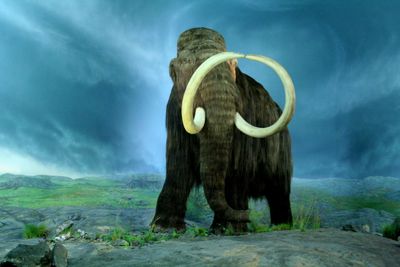
There are people working on “de-extinction”, namely reconstructing the genomes of extinct passenger pigeons, mammoths, etc. Check out: http://tedxdeextinction.org. We have discussed the idea of growing leather from extinct (or rare or endangered) species. The idea of doing the same with meat is also possible. Mammoth steaks anyone?
There’s much more in the AMA, which we encourage you to read through.
We’ve always sensed that 3D printed food will be a big thing – that is the topic that many people get most excited about. However, up to now it’s been 3D printed turkey cubes and chocolates. We’re a lot more interested in that Mammoth steak.
Via Reddit (Hat tip to James)
Image Credit: Wikipedia
