
 We ran across a fascinating video showing a bio-printing concept being researched at the Biophysics Lab of the University of Missouri-Columbia. According to Dr. Gabor Forgacs, they will be able to replicate human parts by creating new organs cell by cell in a manner similar to everyday 3D printing.
 Here’s how it works:
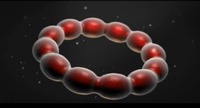
- “Spheroidal cell aggregates” of “bioink” are the basic print material. These are, in fact, live cells. The ink operates like a liquid, but can link together to form shapes
- “Biopaper”, a biocompatible cell-extracellular matrix of hydrogels are used as support material
- A 3D-printer-like device first prints a layer of Biopaper
- The printer then deposits a layer of Bioink in the desired configuration
- The bioink particles join together naturally and fuse into living tissue
- Subsequent layers of biopaper and bioink gradually build up the object into usable human tissue or even organs
- The biopaper eventually dissolves leaving just the desired tissue
Dr. Forgacs says we cannot control every detail, but nature self organizes the tissue into the final organ. The cells would be sourced and cultured from the patient, so there is little risk of tissue rejection.
Dr Forgacs proposes printing sheets of cardiac tissue to attach to damaged heart as a possible scenario. Could we replace a liver or a pair of lungs? He says: “Don’t be a heavy smoker!” But he also thinks it’s possible this may happen within our lifetimes.
Unless, of course, you’re a heavy smoker.
